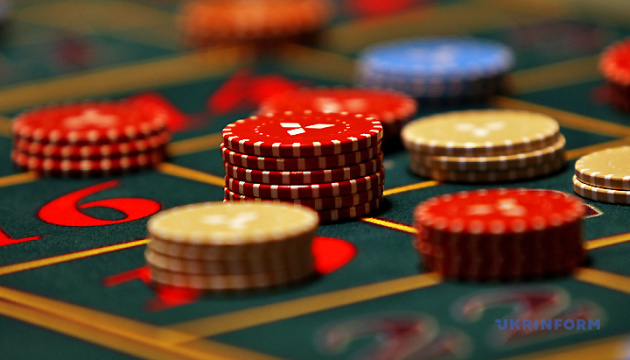
The Role of Emotional and Cognitive Biases in Gambling
The psychology of gambling is heavily influenced by a variety of emotional and cognitive biases. Players often fall prey to the illusion of control, believing that they can influence outcomes in games of chance. This leads to the development of personal strategies that can be both empowering and detrimental. Understanding these biases can help gamblers recognize when their emotions are clouding their judgment and leading them toward potentially harmful betting behaviors. As we examine the landscape of betting, it’s important to know the best choices; for instance, many bettors turn to sports betting texas to find suitable options.

Moreover, the concept of loss aversion plays a significant role in casino psychology. Gamblers tend to prefer avoiding losses rather than acquiring equivalent gains, often leading them to make irrational decisions. This emotional reaction can result in chasing losses, a behavior where players continue to gamble in hopes of recouping their previous losses, often leading to a downward spiral of financial and emotional distress.
Strategic Thinking and Decision-Making in Casinos
Social Influences and Peer Pressure in Gambling
The Influence of Casino Environments on Player Psychology